
Water & Wastewater

The decision layer for water and wastewater.

Seven specialist agents running in production on real operations, from the water balance to real and apparent losses and from water and wastewater operations to regulatory compliance, with an auditable base and alignment with IWA, SINISA and Brazil's Sanitation Legal Framework.

  • Runs on top of the SCADA, GIS and billing systems you already have
  • Separates physical loss from commercial loss, with fully open calculations
  • Aligned with IWA, SINISA and Brazil's Sanitation Legal Framework
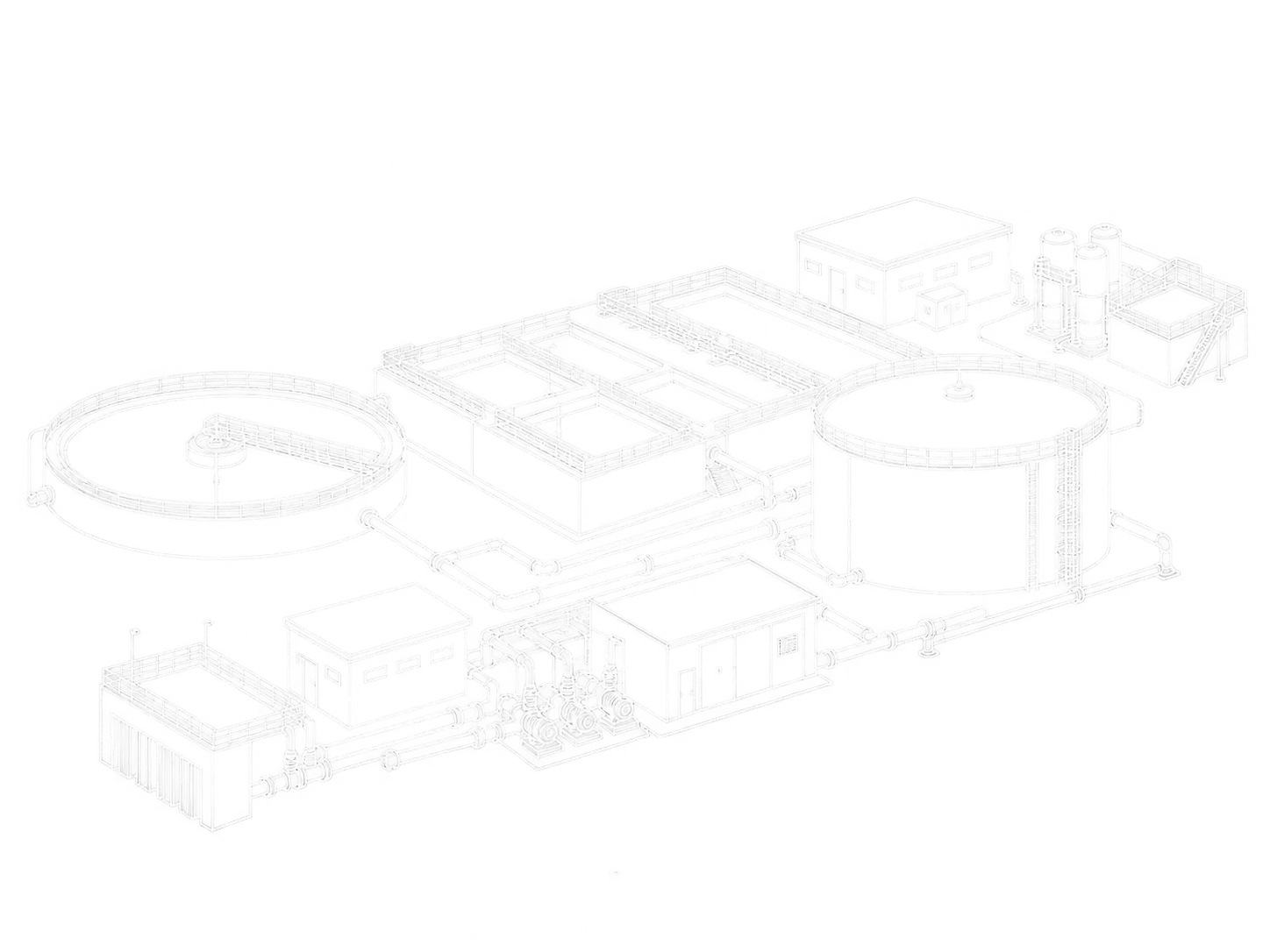
Isometric view of a water treatment plant, with settling tanks, process tanks, a reservoir and a pump house.

Market context

The convergence of regulation and capital that repositioned the water and wastewater sector.

The 2020 Sanitation Legal Framework brought private capital into the sector at scale and wrote performance targets into contracts, with deadlines and legal consequences, aiming for universal water and sewer coverage by 2033. Management intelligence stopped being a differentiator and became a contractual requirement: a utility that cannot prove it is able to meet its targets risks losing its concession.

R$ 900B in estimated investment needed for universal water and sewer coverage
+460% growth in private concessions since 2020
36% average water loss in Brazil, against an international benchmark of 15%
2020 the Legal Framework that made targets contractual, with legal consequences

The problem

Water and wastewater utilities are not short of data. They decide without integration.

SCADA tracks operations, GIS holds the network records, the billing system controls invoicing and customer metering, and BI consolidates the indicators. Each one works well within its own domain, and none was designed to answer the question that drives the utility: when losses rise, where to act first and what that represents in revenue.

That is why closing a reliable water balance still takes weeks, why separating real from apparent loss remains a topic for meetings, and why the regulatory indicator is usually calculated only at cycle close, when the room to correct course is already narrow.

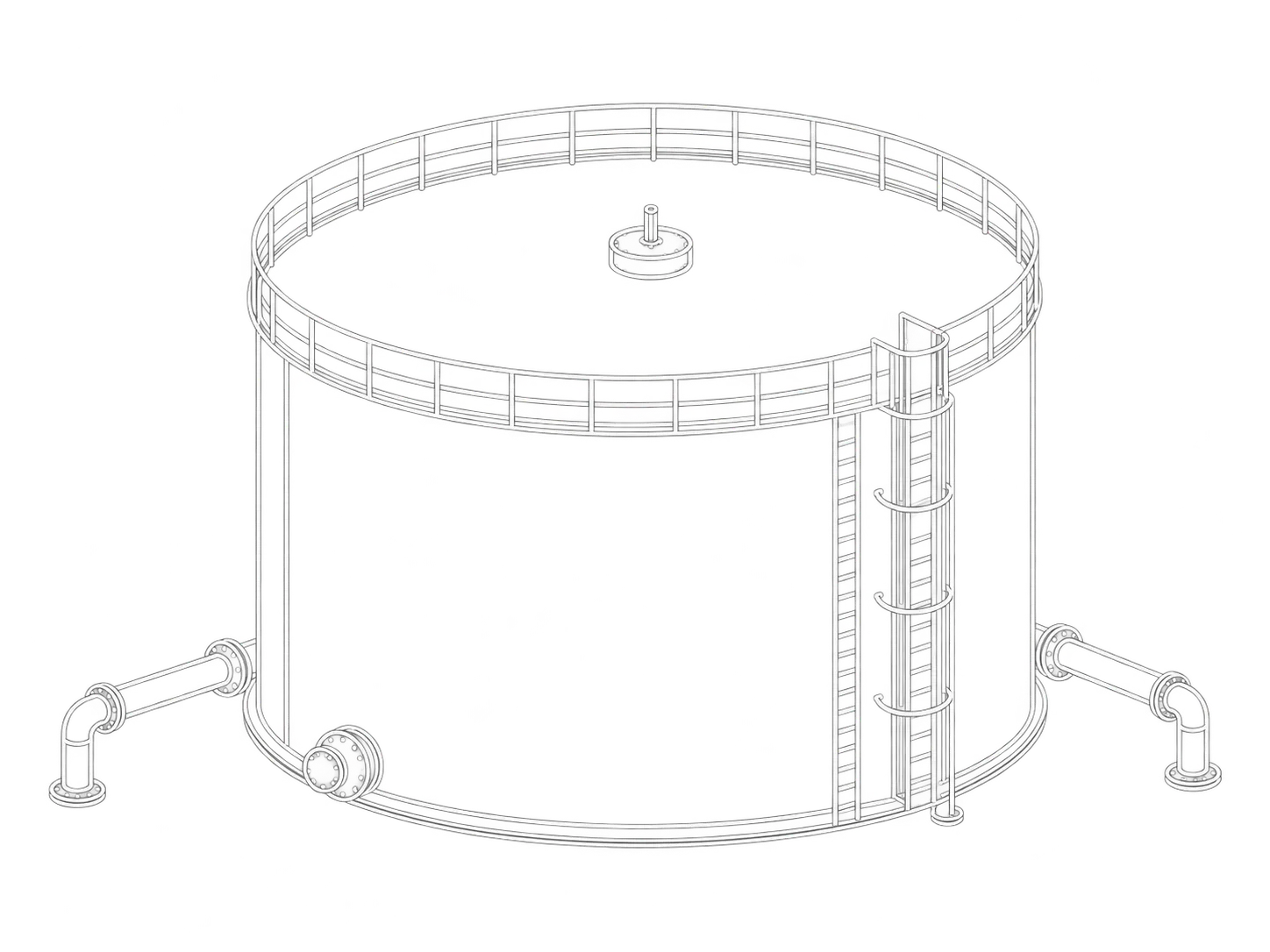
Isometric view of a water reservoir resting on the ground.
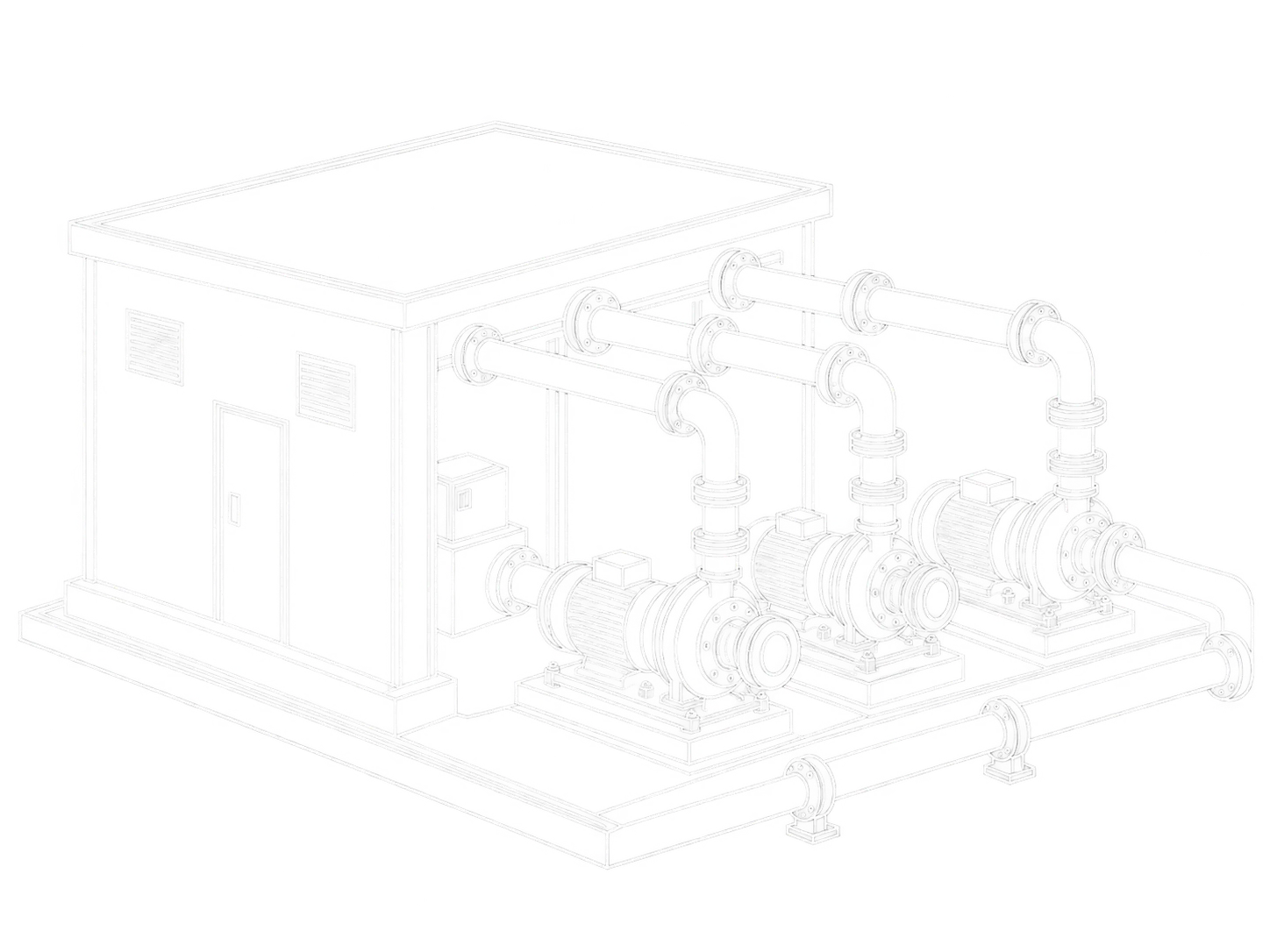
Pumping station with a pump house and a set of motor pumps.

The platform applied

Balance reading the operation, with seven agents deciding on top of it.

Balance connects SCADA, GIS, billing, maintenance and the laboratory, structures that data into a common, auditable base and applies the engineering context of water and wastewater to it, in line with IWA, SINISA and the Legal Framework. Seven agents work on that base, accessed through three modules.

The agents

Seven specialist agents, one shared context base.

Each agent is trained on the real operations of the sector. For each one: the challenge, how Balance solves it, a sample reading and what changes.

Access interfaces
Insight Decisions for the executive team
Chat Talk to your data
Field Intelligence in the field
Balance Intelligence Core Orchestrates the agents with the operational, commercial and regulatory context of the sector.
Water Operations Optimizes operations and anticipates anomalies in real time. Losses Separates physical from commercial loss and prioritizes action. Wastewater Operations Anticipates overflows and prepares preventive mobilization.
Energy Efficiency Cuts the energy cost of pumping stations and plants.
Regulatory Keeps compliance with ANA running continuously. Commercial Efficiency Recovers revenue on evidence rather than uniform effort.
Engineering and Capital Works Prioritizes investment by real technical return.
  • Water OperationsOptimizes operations and anticipates anomalies in real time.
  • LossesSeparates physical from commercial loss and prioritizes action.
  • Wastewater OperationsAnticipates overflows and prepares preventive mobilization.
  • Energy EfficiencyCuts the energy cost of pumping stations and plants.
  • RegulatoryKeeps compliance with ANA running continuously.
  • Commercial EfficiencyRecovers revenue on evidence rather than uniform effort.
  • Engineering and Capital WorksPrioritizes investment by real technical return.

The five agents in depth

Losses Agent

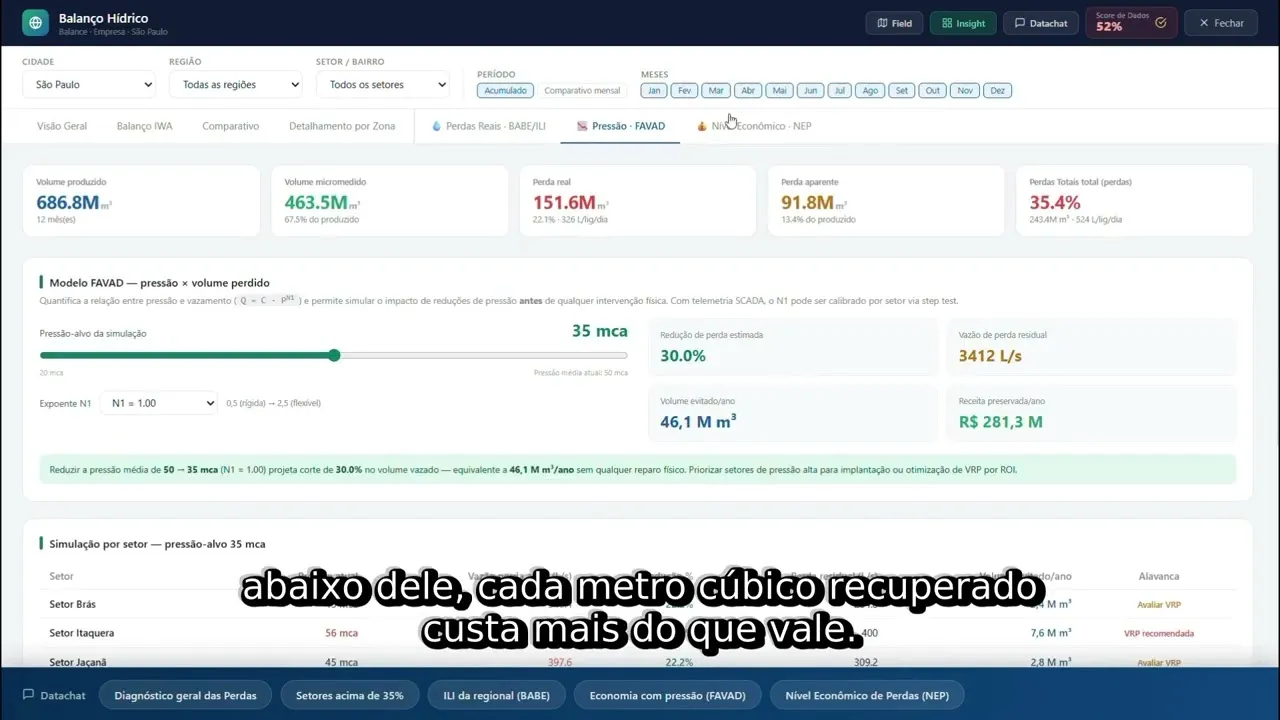
Separates physical loss from commercial loss in minutes, with full traceability.

Closing a reliable water balance takes weeks, and even once closed it does not distinguish network leakage from meter inaccuracy and theft. The agent automates the balance, integrates production, billing and GIS data, and returns the cause and the district of each loss.

Sample reading

Of the 4.8 million liters of non-revenue water, 72% is physical loss. The North region, with 48% of the volume, is the first priority.
Commercial Efficiency Agent

Billing and collections that reflect actual consumption.

Outdated customer records and meters that read low as they age let revenue slip away without anyone knowing where. The agent combines customer records, consumption, the meter fleet and collections, and estimates the recoverable revenue, all of it traceable.

Sample reading

1,742 accounts with a commercial usage pattern suggest reclassification, with potential of R$ 4.8M a year. 32% of the meter fleet is more than seven years old.

Water Operations Agent

Turns the flood of signals reaching the operations center into foresight.

Thousands of sensors, and operators spend their shift triaging alarms. The agent monitors the whole system, projects the coming hours and recommends preventive action, with a probability and a time frame.

Sample reading

Reservoir R-17 is trending toward a critical level within 14 hours, with 87% probability. Recommendation: transfer the East district and adjust pumping station E-04.

Wastewater Operations Agent

Anticipates the impact of rainfall and prevents sewer overflows.

Without integrating rainfall, network and historical data, an overflow becomes an emergency with operational, environmental and regulatory costs. The agent projects risk by catchment and guides preventive mobilization.

Sample reading

With 95 mm of rain forecast, the South Basin has an 83% probability of overload. Recommendation: mobilize crews and monitor lift stations EEE-07 and EEE-11.

Regulatory Agent

Keeps compliance with ANA running continuously, ahead of cycle close.

Reporting to ANA, Brazil's national water regulator, means pulling together multiple sources, and an indicator calculated only at cycle close leaves no room for correction. The agent calculates indicators continuously and generates the report in the regulator's format, with a full audit trail.

Sample reading

Distribution losses at 18.7% against a 25% target, water service coverage at 98.2% and overall compliance at 96%, under ANA Resolutions 211/2024 and 275/2025.

And more

Beyond these five, the same data bus runs the Engineering and Capital Works agent, which prioritizes investment by real return, and the Energy Efficiency agent, which shows where to reduce consumption at pumping stations and plants.

The product in production

See the agents at work on real operations.

Demonstrations of Balance in action, from the water balance to the operations center and from commercial efficiency to regulatory compliance.

Video preview: Losses Agent Losses Agent YouTube

Impact and proof

A product in production, validated where it counts.

The seven agents run in production, on enterprise architecture, over real water and wastewater operations rather than in a test environment. The approach underwent an independent technical review by Instituto Stela, which identified in Balance a combination of capabilities that no vendor on the market brings together today: integration of operations and billing in real time, intelligence across every level of management, compliance with Brazilian regulation and an auditable base.

Balance does not replace SCADA, GIS, ERP or engineering platforms such as Bentley and ESRI. It runs on top of them and fills the integrated decision layer that had no occupant until now.

Talk to Balance

See Balance reading your utility's operations.

Book a demo and follow Balance from the water balance to regulatory compliance, running on the systems your utility already uses.

The figures shown in each agent's examples are illustrative and are meant to demonstrate how the agent reads the operation.